By Suneco Lighting
A solar lamp post Philippines quotation should describe the complete installed system, not only a fixture price. Suneco Lighting recommends comparing technical scope, local site conditions and after-sales support before selecting the lowest offer.
Contents
- 1 Define the Road-Lighting Requirement
- 2 Review the Complete Product Configuration
- 3 Compare Technical Evidence
- 4 Avoid Common Selection Errors
- 5 Check Performance in Real Conditions
- 6 Coordinate Pole, Electrical and Civil Work
- 7 Use Samples and Acceptance Tests
- 8 Evaluate Lifecycle Cost and Support
- 9 Control Project Documents and Revisions
- 10 Buyer Checklist
- 11 FAQ
Define the Road-Lighting Requirement
Begin the solar lamp post Philippines review with measurable project inputs. Catalogue values help shortlist products, but the approved design should connect the site geometry, performance target, environment and operating policy. Record assumptions so that every supplier answers the same brief.
- Required brightness, coverage and operating hours.
- Solar resource, shade and rainy-season reserve.
- Pole height, wind exposure and foundation condition.
- Delivery location, access and installation scope.
- Warranty, spare parts and service expectations.
Mark missing information as a design hold point. A preliminary recommendation can use stated assumptions, but final model selection, quantity and price should reference the approved drawings and performance schedule.
Review the Complete Product Configuration
The solar lamp post Philippines proposal must identify the complete configuration rather than a wattage or catalogue family. Review the following items together because a change to one item can affect photometry, structure, electrical protection, installation or warranty.
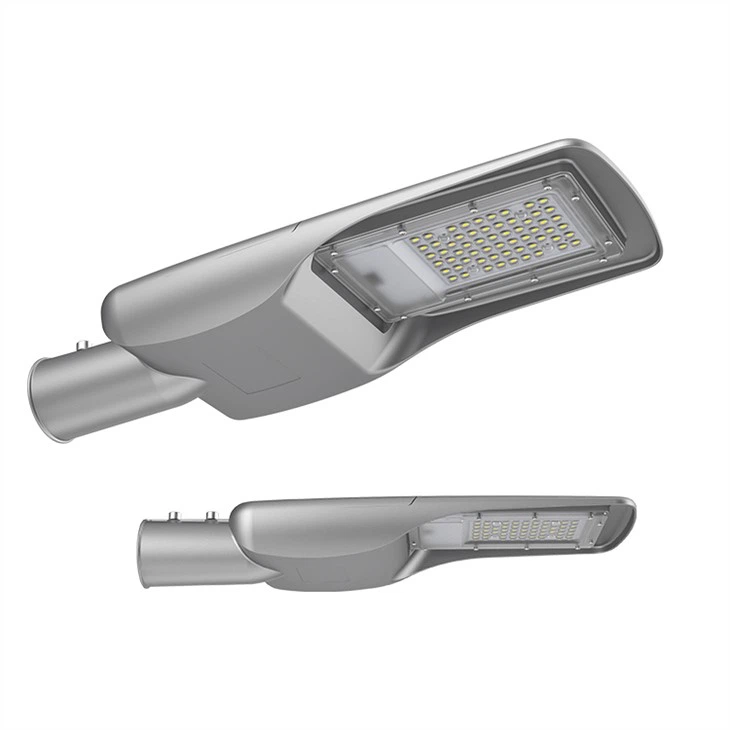
- Decorative or roadway led luminaire.
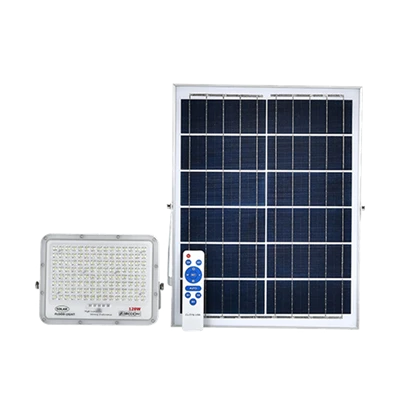
- Solar panel and corrosion-resistant bracket.
- Battery pack and programmed controller.
- Pole, base plate, anchor bolts and foundation design.
- Installation manual, packing and warranty documents.
Ask the manufacturer to reference exact model codes on drawings, data sheets, certificates and the quotation. Matching document references reduce the risk of approving one configuration and receiving another.
Compare Technical Evidence
Use one compliance schedule for every bidder. Require a clear response, deviation and supporting document for each line. Do not award points for unverified claims or assume that a higher headline number automatically improves road performance.
| Review item | Meaning | How to verify |
|---|---|---|
| Luminaire | Output, optics and housing | Photometric report |
| Energy system | Panel, battery and controller | Energy calculation |
| Pole | Height, material and finish | Structural basis |
| Logistics | Packing and delivery | Destination scope |
| Support | Warranty and spares | Written terms |
When an alternative is proposed, show its effect on energy use, lighting results, pole loads, installation work and maintenance. This allows buyers to consider value engineering without losing the original acceptance criteria.
Avoid Common Selection Errors
Projects involving solar lamp post Philippines often fail because commercial comparisons begin before technical assumptions are aligned. Check the following risks during design review and again before purchase.
- Comparing incomplete supplier scopes.
- Accepting decorative appearance without photometric data.
- Excluding pole and foundation from the price.
- Ignoring coastal corrosion protection.
- Using a warranty length without claim terms.
Resolve each exception in writing. The approved sample, technical schedule and purchase order should use the same revision so the production team and inspector know what must be supplied.
Check Performance in Real Conditions
Outdoor LED equipment operates through voltage variation, high and low temperatures, rain, dust, vibration and pollution. Review rated values together with test conditions and expected maintenance. Confirm how thermal limits, lumen depreciation and driver life affect the chosen operating point.
Road-lighting calculations should use the exact IES file, mounting geometry and maintenance factor. If the site changes, update the calculation instead of relying on the original result. Intersections, pedestrian crossings, curves and conflict zones may require separate checks.
Coordinate Pole, Electrical and Civil Work
The luminaire, pole, arm, anchor system, foundation, cables, protective devices and earthing form one installation. Define who supplies and installs each item. Confirm spigot dimensions, cable lengths, access-door position, circuit protection and foundation reactions before manufacturing starts.
Where existing poles or circuits are reused, inspect their condition and compatibility. Record any adapter, rewiring or reinforcement work in the supply scope instead of leaving it for site improvisation.
Use Samples and Acceptance Tests
Approve a representative sample with the actual LED board, driver, optics, surge device, housing finish and mounting parts. Record labels and component codes. Production inspection should compare units with that approved sample and the controlled bill of materials.
Factory checks can include power, power factor, safety, dimming, surge-component verification, dimensions, finish and photometric reports. Site acceptance should confirm installation, aiming, controls and measured lighting results under agreed conditions.
Evaluate Lifecycle Cost and Support
Compare purchase price with energy, installation, inspection, access equipment, cleaning and replacement parts. Define the warranty claim process and ask which modules can be replaced locally. A documented spare-parts plan can reduce downtime more effectively than a long but unclear warranty statement.
Request operating instructions, wiring information, driver programming details and test records. These documents support future maintenance and reduce dependence on informal knowledge.
Control Project Documents and Revisions
Keep one document register for the quotation, data sheets, IES files, calculations, drawings, certificates, inspection records and packing list. Each item should show a revision and approval status. When a model, optic, driver, arm or operating schedule changes, identify which calculations and drawings must be updated. This prevents an early sales document from being mistaken for the final production specification.
Before shipment, assemble a handover file that links serial or batch information with the approved configuration. The installer should receive current foundation details, wiring diagrams, aiming or programming instructions and a contact route for technical questions. Clear revision control protects the buyer, manufacturer and contractor during installation and warranty service.
Buyer Checklist
- Freeze road geometry and measurable lighting targets.
- Reference exact models, optics, drivers and mounting parts.
- Compare bids with one compliance and deviation schedule.
- Approve a representative sample before mass production.
- Confirm inspection, packing, delivery and warranty duties.
FAQ
Why do prices vary widely?
Products may differ in output, battery energy, panel power, pole structure, materials, certifications and included services.
Is installation normally included?
Only when stated; clarify foundations, lifting, wiring, testing and travel.
What is important near the coast?
Review coating, fasteners, sealing and maintenance for salt exposure.
Can one sample confirm quality?
A sample supports inspection, but buyers should also review production controls and batch consistency.
How can quotations be compared fairly?
Use one requirement sheet and a line-by-line compliance table for every bidder.
Send Suneco Lighting your road plan, performance target, pole details, quantities and delivery destination. Our team can review the solar lamp post Philippines requirements and prepare a clear technical and commercial proposal.

Get Best Suneco Solar Lighting
Join the Suneco Lighting Newsletter for solar light updates, buying guides and project advice.